Seydou Keïta (1921 — 21 November 2001) was a Malian photographer. He is mostly known for his portraits of people and families he took between 1940 and the early 1960s and that are widely acknowledged not only as a record of Malian society but also as pieces of art.
Santu Mofokeng (1956) is a South African news photographer who works under the alias Mofokengâ. Mofokeng is a member of the Afrapix collective and has won a Prince Claus Award.
Pieter Hugo was born 1976 in Johannesburg, South Africa. He is a photographer who primarily works in portraiture and whose work engages with both documentary and art traditions with a focus on African communities. Hugo lives in Cape Town.
Ichiki Shirō, 市来 四郎 was born in Satsuma province, Japan on December 24, 1828. He rose up within the castes of Satsuma’s feudal society by showing an exemplary skill in the production of gunpowder and was selected by the Satsuma’s daimyo (feudal lord), Shimazu Nariakira to be his personal retainer. Fascinated by western technology, in 1848, Shimazu obtained the first daguerreotypecamera ever imported into Japan and encouraged his retainers to study it and learn to create photographs with it. Continue reading Shimazu by Ichiki -the oldest daguerreotype by a Japanese photographer→
“As Acconci’s art shifted from poetry to body-oriented performance in the late 1960s, he often incorporated photography as a means of returning his art to the page and of creating something that would last beyond the moment. This work, dubbed a “photomatic enunciation piece,” is a photo-booth strip showing five random flashes of the automatic camera as the artist sang Cole Porter’s 1934 song “Anything Goes” with exaggerated clarity. Merging performance, chance occurrence, conceptual art, and an assertively anti-art process, Acconci’s work is quintessentially of the 1960s.” –the Met
Until a few years ago, I was able to stave off an awareness that there is not an ounce of beauty in the world, and that humanity is a thing of extreme hideousness. So I could shoot and believe in something. (1972) – Daido Moriyama
kneeling to the god of eclecticism and allergic to the commonplace


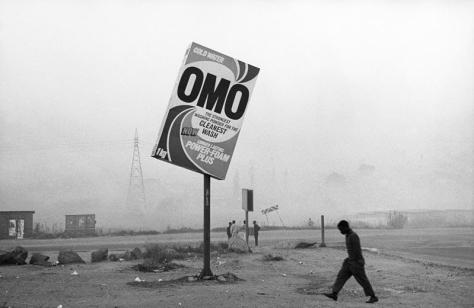 Santu Mofokeng (1956) is a South African news photographer who works under the alias Mofokengâ. Mofokeng is a member of the Afrapix collective and has won a Prince Claus Award.
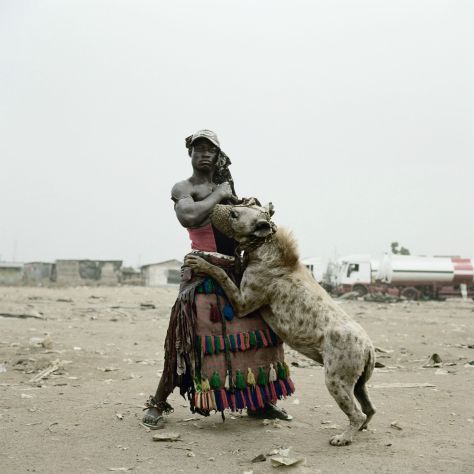 Pieter Hugo was born 1976 in Johannesburg, South Africa. He is a photographer who primarily works in portraiture and whose work engages with both documentary and art traditions with a focus on African communities. Hugo lives in Cape Town.

 Ichiki Shirō,
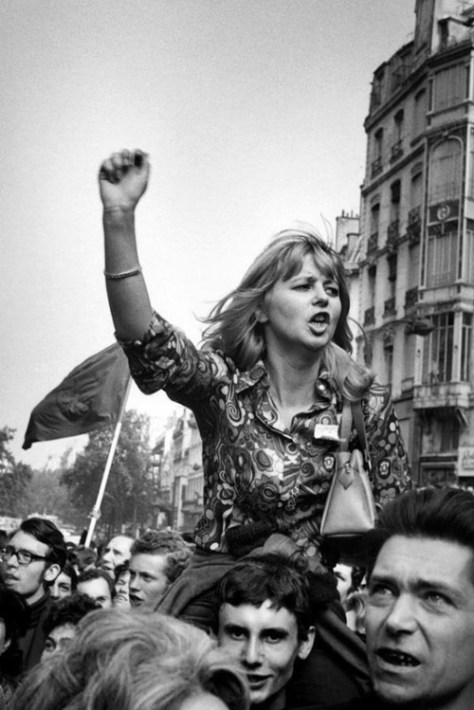


 – Daido Moriyama


 The Incubator