
Katana Odori 1906 A woman with a katana (sword) at her side and a wooden or bamboo shaft of another implement on her back. Probably not a member of the Samurai class, but a Geiko (Geisha), dressed to perform the Katana Odori (sword-dance).

Katana Odori 1906 A woman with a katana (sword) at her side and a wooden or bamboo shaft of another implement on her back. Probably not a member of the Samurai class, but a Geiko (Geisha), dressed to perform the Katana Odori (sword-dance).
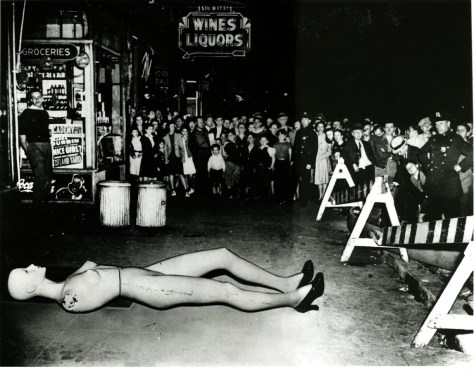
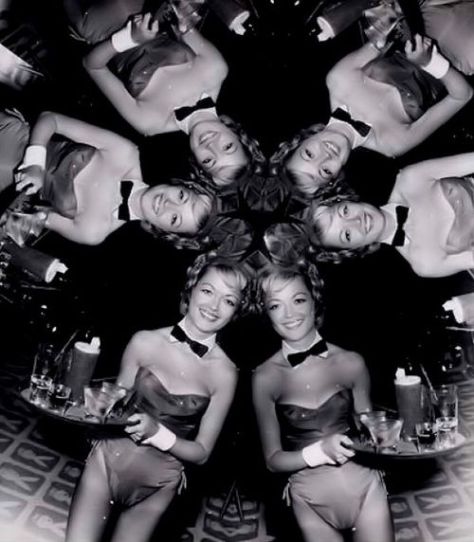

from Sunset Magazine golden anniversary cookbook, 1950s


“…I have assembled photographic glass negatives… in all the old streets of Old Paris, artistic documents showing the beautiful civil architecture from the 16th to the 19th century. The old mansions, historic or interesting houses, beautiful façades, lovely doors, beautiful panelling, door knockers, old fountains, stylish staircases (wrought iron and wood) and interiors of all the churches in Paris… This enormous documentary and artistic collection is now finished. I can say that I possess the whole of Old Paris.” -Eugène Atget, 1920
“The first time I saw photographs by Eugène Atget was in 1925 in the studio of Man Ray in Paris. Their impact was immediate and tremendous. There was a sudden flash of recognition – the shock of realism unadorned. The subjects were not sensational, but nevertheless shocking in their very familiarity. The real world, seen with wonderment and surprise, was mirrored in each print.”-Berenice Abbott, 1964
 :
:
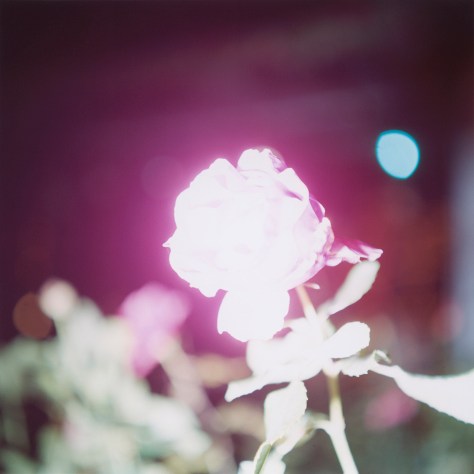
“Kawauchi has the special privilege of being one of very few Japanese contemporary photographers to have published three books simultaneously: “Utatane,” “Hanabi” and “Hanako” were all released in 2001. “Utatane” and “Hanabi”, lead to her receiving the Kimura Ihei Award, one of Japan’s most prestigious awards for young up-and-coming photographers, bestowed shortly after their professional debuts.
Ametsuchi (heaven and earth) is a theme that Kawauchi has been contemplating as she searches for the origins of civilization and culture. By capturing the 1,000-year-old ritual of Mount Aso, she contemplates time-honored traditions of humanity. In the series, she includes photographs from three more sites — the Wailing Wall in Jerusalem, the view from a planetarium, and the Shiromi Shrine dance ritual in Miyazaki —and by mixing these images together, she turns her attention to ancient ceremonies here on Earth as a connection to the heavens.”
-Japan Times, June 4, 2012

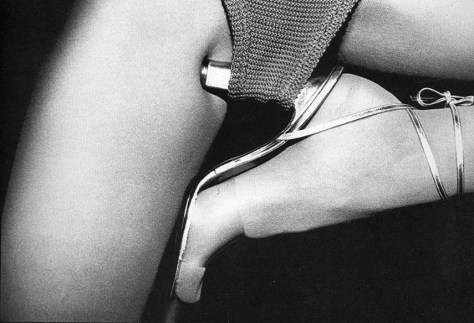 “David Bailey, an eminent British photographer, is known for his tremendous influence in advertising and fashion industry. Working for more than half a century, Bailey has shot basically everyone – from the Queen of England to Australian aboriginals. Yet, the majority of his models are various icons of music, film, and art. Bailey was initially inspired by Henri Cartier-Bresson and he started his career in 1959 when he became a photographer for British Vogue. His style is known to be stripped-down and direct style and he is a mastermind of revealing the beauty of his models. The pictures I take are simple and direct and about the person I’m photographing and not about me. I spend more time talking to the person than I do taking pictures, says Bailey.”
-Widewalls, http://www.widewalls.ch/artist/david-bailey/
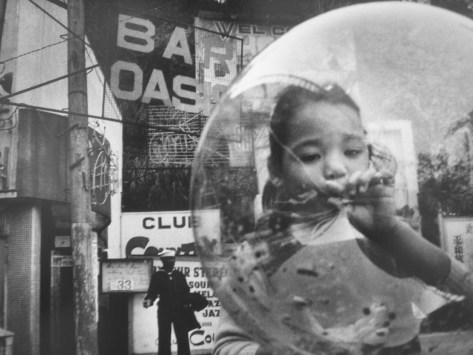 “Shomei Tomatsu (1930 – 2012) was perhaps the most influential Japanese photographer of the post-war era. His raw, grainy and impressionistic style signalled a dramatic break with the quiet formalism that had defined earlier photography. Influencing the anti-establishment Provoke photography movement in Japan in the late 1960s, he is hailed as the stylistic mentor of artists such as Daido Moriyama, Nobuyoshi Araki and Takuma Nakihara.”
-Michael Hoppen Gallery, http://www.michaelhoppengallery.com/artists/64-shomei-tomatsu/overview/#/artworks/9760

